Loading…

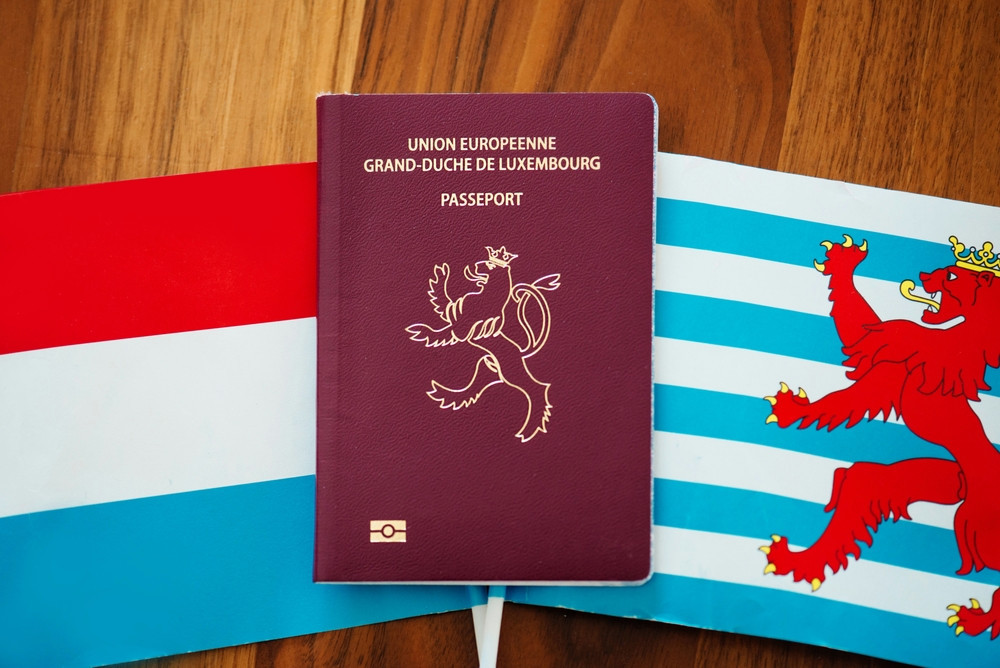
Five years of legal residence, a Luxembourgish language test and a civics course: here are the conditions for naturalisation and how the procedure works.
Acquiring Luxembourgish nationality gives you full political rights, an EU passport and a durable link to the country. Luxembourg accepts dual nationality, so in most cases you do not have to give up your original citizenship (check your home country's rules). The main route for adult residents is naturalisation, governed by the Nationality Act of 8 March 2017.
| Condition | Detail |
|---|---|
| Age | 18 or over |
| Residence | At least 5 years of legal residence in Luxembourg; the year before the application must be uninterrupted |
| Language | Pass certificate of the Luxembourgish language test (Sproochentest) |
| Civic integration | Complete the 'Vivre ensemble au Grand-Duché de Luxembourg' course or pass the corresponding exam |
| Good repute | No serious criminal convictions; no false statements in the application |
The Sproochentest, organised by the Institut National des Langues Luxembourg (INLL), assesses spoken Luxembourgish at level A2 for oral expression and B1 for listening comprehension of the Council of Europe's framework. You can take preparation courses at the INLL or with communal and private providers. Exemptions exist in specific cases provided by law, such as very long residence or Luxembourgish schooling — check the current rules on guichet.public.lu.
Other routes exist, notably acquisition by option (for example, the parent of a Luxembourgish child or a spouse of a Luxembourger) with adapted conditions.
Naturalisation is not the only door. Children born in Luxembourg can acquire nationality under specific birthright provisions — automatically at birth when a parent was also born in the country, or at 18 subject to residence conditions. Spouses of Luxembourgers and parents of Luxembourgish children may use the simpler option procedure. The State also supports candidates financially: course and exam costs for Luxembourgish and the civics module are modest, and reimbursement schemes exist. Plan realistically — reaching the required language level from zero usually takes a few semesters of evening classes — and start collecting foreign civil-status documents early, since obtaining them from abroad is often the slowest part of the file.