Loading…
Grand Duke, Chamber of Deputies, government and 100 communes: a clear guide to how power works in the world's only Grand Duchy.
Luxembourg is the world's only remaining Grand Duchy: a parliamentary democracy in the form of a constitutional monarchy. Understanding who does what — the Grand Duke, the parliament, the government and the communes — makes daily life and the news much easier to follow. A revised Constitution has been in force since 1 July 2023.
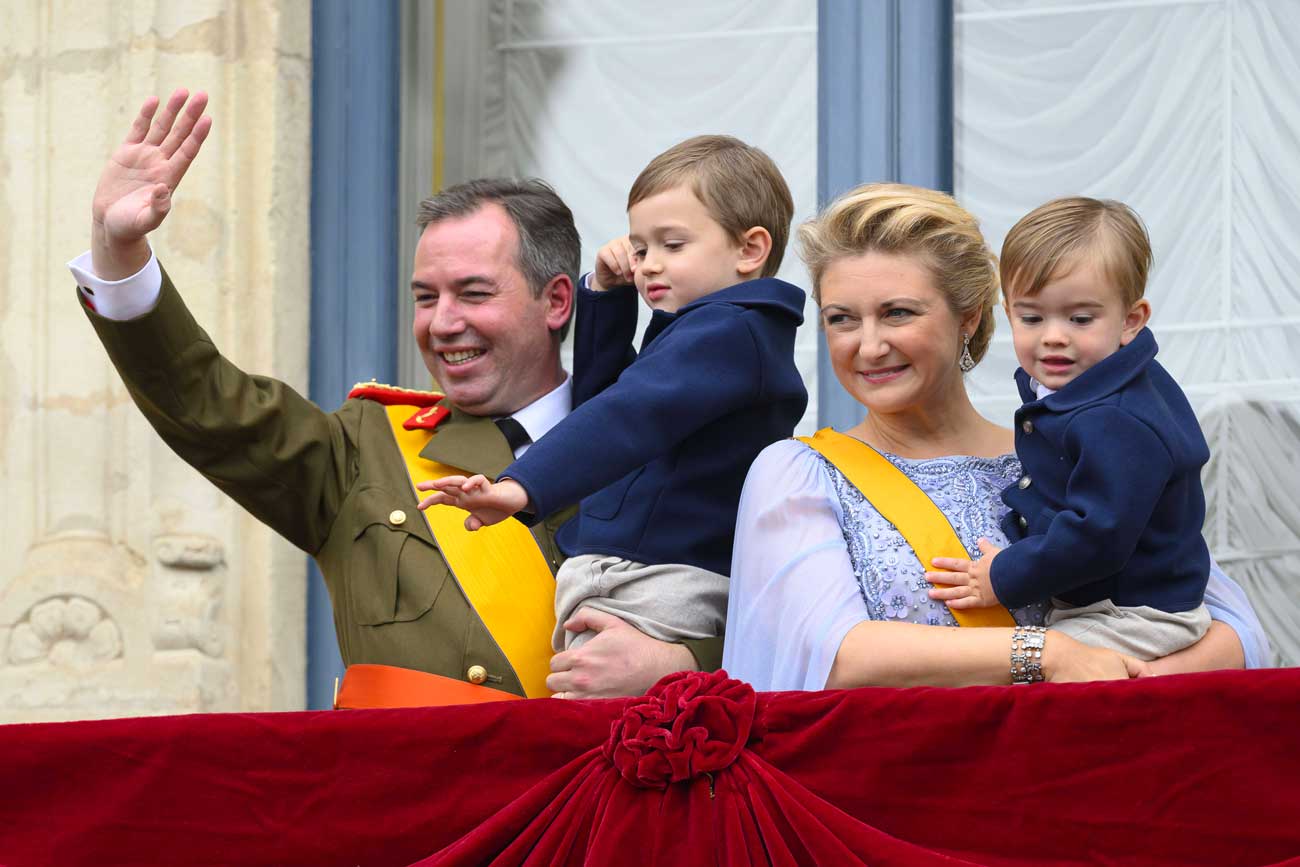
The Grand Duke is the head of State. His role is largely representative and constitutional: he formally appoints the government, promulgates laws passed by parliament and represents the country abroad. In October 2025, Grand Duke Henri abdicated in favour of his son, who became Grand Duke Guillaume V. Political responsibility lies with the government, led by the Prime Minister.
Legislative power belongs to the Chamber of Deputies (Chambre des Députés), a single chamber of 60 members elected every five years by proportional representation in four constituencies. The Chamber votes laws and the budget and controls the government. The Council of State (Conseil d'État) gives opinions on draft legislation. Executive power is exercised by the government, whose ministers are accountable to the Chamber.
| Institution | Role | How chosen |
|---|---|---|
| Grand Duke | Head of State, promulgates laws | Hereditary |
| Chamber of Deputies | Votes laws and budget, controls government | Elected every 5 years (60 seats) |
| Government | Executive power, runs ministries | Appointed after elections |
| Communes (100) | Local services, schools, permits | Communal councils elected every 6 years |
Luxembourg has 100 communes, each with an elected communal council and a college of the mayor (bourgmestre) and aldermen (échevins). Communes manage civil registration, residence declarations, local schools, waste, building permits and much of what shapes daily life. As a resident, the commune is your first administrative contact.
The courts form the third power: justices of the peace, district courts and higher courts, with a Constitutional Court reviewing the conformity of laws with the Constitution. Citizens also have direct channels. Anyone can sign or launch a public petition on the Chamber of Deputies' website; a petition that reaches the required number of signatures triggers a public debate with ministers in parliament. Referendums are possible on major questions — the 2015 referendum on voting rights is a recent example — and social dialogue between government, employers and trade unions remains a pillar of the Luxembourg model.