Loading…
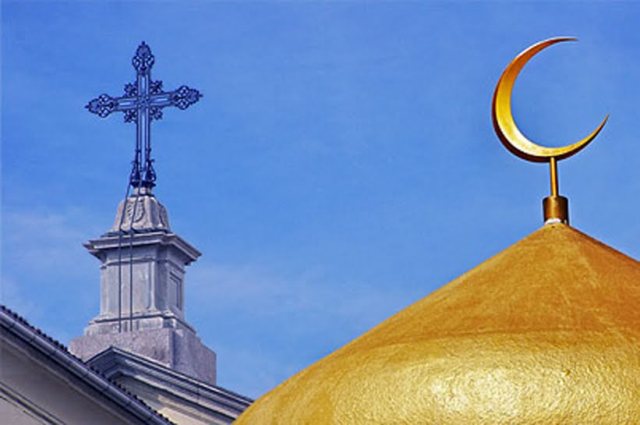
Luxembourg is home to a wide range of religious communities, from the Catholic majority to Protestant, Orthodox, Jewish, Muslim and Anglican congregations. Here is an overview of places of worship and how the state relates to religions.
A country shaped by migration, Luxembourg reflects the diversity of its population in its religious life: nearly half of all residents are foreign nationals, and faith communities are numerous and well organised. Whether you are looking for a church, a mosque, a synagogue or a temple, you will almost always find a welcoming, often multilingual community.
The Constitution guarantees freedom of religion. Since 2015, relations between the state and the main religious communities have been organised through conventions: the Catholic Church, the Protestant Church, the Orthodox communities, the Jewish community, the Muslim community and the Anglican Church benefit from this framework. The official portal luxembourg.public.lu presents this system and its evolution, notably the clearer separation between state and religions and the replacement of religious instruction in public schools by a common values course.
| Community | Emblematic places | Good to know |
|---|---|---|
| Catholic | Notre-Dame Cathedral in Luxembourg City; parishes nationwide | Masses in several languages; annual Octave pilgrimage |
| Protestant | Protestant church in Luxembourg City | Lutheran and Reformed congregations |
| Orthodox | Greek, Romanian, Serbian and Russian parishes | Services follow each tradition's own calendar |
| Muslim | Prayer rooms and cultural centres in several municipalities | Community represented by a recognised assembly (Shoura) |
| Jewish | Synagogue in Luxembourg City; community in Esch-sur-Alzette | A long historical presence in the Grand Duchy |
| Anglican and others | English-speaking congregations in the capital | Very popular with international residents |
Religious life marks the Luxembourgish calendar: the Octave, a Marian pilgrimage to the cathedral in spring, remains a highlight of the year, while the different communities celebrate their own festivals. Municipal cemeteries, managed by communes such as the City of Luxembourg (vdl.lu), include areas adapted to different faiths.
Finally, interfaith dialogue is active: meetings, open days and joint initiatives punctuate the year. For a newcomer, stepping into a place of worship is often, beyond faith itself, a way of finding a community, a language and familiar landmarks again.