
Getting Your Social Security Number: CCSS Affiliation Explained
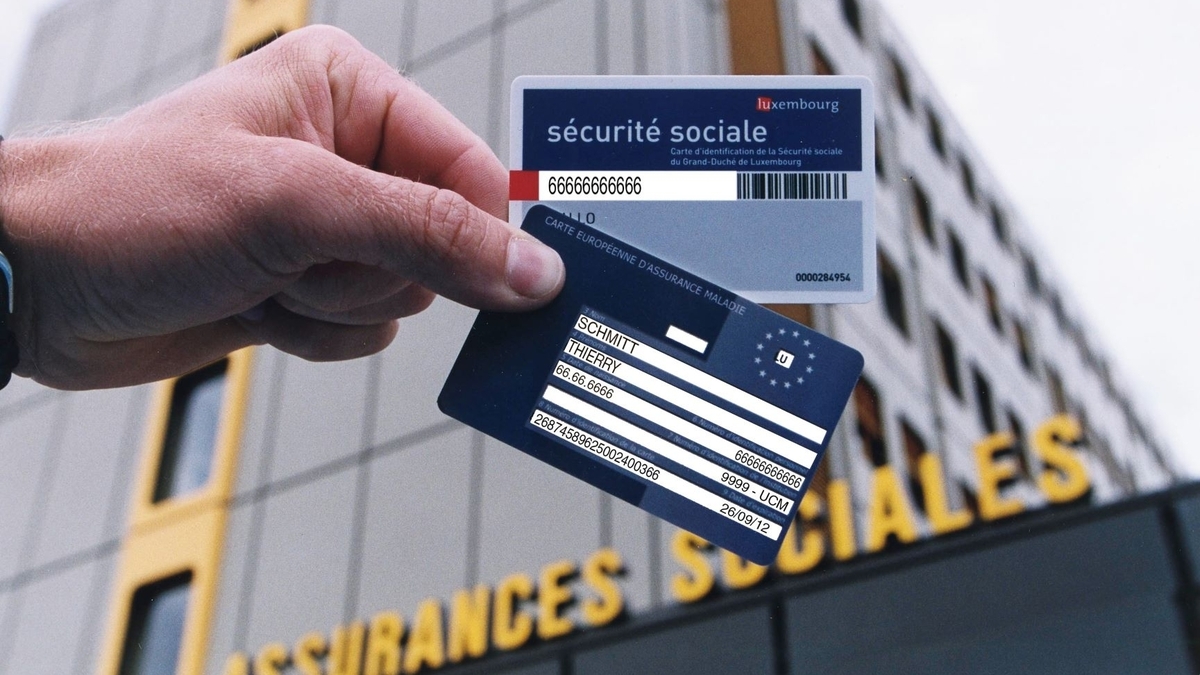
The 13-digit national identification number (matricule) is the key to healthcare, pensions and taxes in Luxembourg. Learn how affiliation with the CCSS works for employees and the self-employed.
In Luxembourg, almost every interaction with the administration goes through a single identifier: the national identification number, commonly called the "matricule". This 13-digit number, which starts with your date of birth (YYYYMMDD), follows you for life: health fund, pension, taxes, employer.

The CCSS, gateway to social security
The Joint Social Security Centre (CCSS) is the body that manages affiliation, registration and the collection of contributions for all social security institutions: the CNS (health insurance), the pension fund and accident insurance, among others. It is the CCSS that assigns a matricule to people who do not yet have one.
How does affiliation work?
- Employees: you have nothing to do. Your employer must declare your start of employment to the CCSS (declaration of entry). If you have never had a Luxembourg matricule, the CCSS creates one automatically.
- Self-employed: you must register yourself with the CCSS by declaring the start of your activity.
- Family members without an activity: they can be co-insured through the main insured person, upon request to the CNS/CCSS.
- Once the affiliation is recorded, you receive your social security card (CNS card) by post, showing your matricule.
- Create an account on MyGuichet.lu or the CCSS online portal to track your affiliation certificates.
What is the matricule used for?
| Area | Use of the matricule |
|---|---|
| Health | CNS reimbursements, prescriptions, hospital |
| Work | Employer declarations, payslips |
| Taxes | Tax withholding card, annual tax return |
| Pension | Insurance career, statement of contribution periods |
| Administration | MyGuichet.lu, communes, ADEM |
Contributions: who pays what?
Social contributions are shared between employer and employee and are deducted directly from the gross salary; they cover health-maternity insurance, pension insurance, long-term care insurance and accident insurance (borne by the employer). The exact amounts depend on your pay: you will find them line by line on your payslip. If in doubt about your affiliation, request an affiliation certificate from the CCSS: it proves your insurance periods, which is useful for residence or banking procedures.